
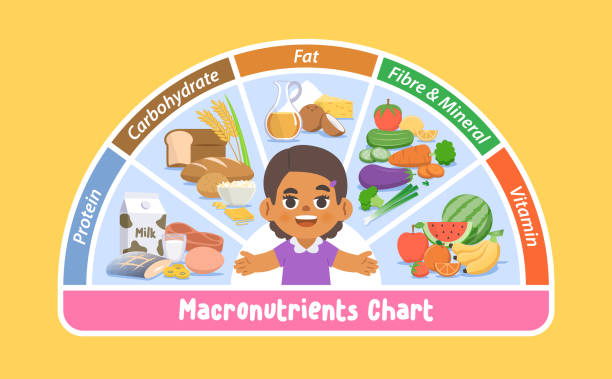
Healthy growth during childhood depends significantly on balanced nutrition. As children develop physically, cognitively, and emotionally, their dietary needs evolve. A well-structured nutrition chart for kids helps parents and educators ensure that children receive the right balance of essential nutrients required for overall development.
In today’s fast-paced environment, where processed foods and irregular eating habits are common, having a systematic nutrition plan becomes even more important. This article explains why a nutrition chart is essential, how it supports healthy growth, and how schools and families can work together to promote better dietary habits.
Why Nutrition Matters in Childhood
Childhood is a critical period for growth. During these formative years:
- Bones and muscles develop rapidly
- Brain function and cognitive abilities expand
- Immune systems strengthen
- Energy demands increase
Proper nutrition supports all these processes. A deficiency in key nutrients such as proteins, vitamins, iron, or calcium can affect physical growth, concentration levels, and immunity.
Educational institutions that focus on holistic development—including many recognised best schools in Bangalore—often integrate health awareness into their student well-being programs.
What Is a Nutrition Chart for Kids?
A nutrition chart for kids is a structured guide that outlines:
- Daily calorie requirements based on age
- Recommended servings from different food groups
- Portion sizes appropriate for children
- Essential vitamins and minerals
It serves as a practical tool for planning balanced meals and monitoring dietary intake.
Unlike generic meal plans, a child-specific nutrition chart considers:
- Age
- Activity level
- Growth stage
- Individual dietary needs
Key Components of a Balanced Nutrition Chart
1. Proteins for Growth and Repair
Proteins are essential for muscle development and tissue repair. Good sources include:
- Milk and dairy products
- Eggs
- Lentils and legumes
- Nuts and seeds
Adequate protein intake supports steady physical growth and strengthens immunity.
2. Carbohydrates for Energy
Carbohydrates provide the primary source of energy required for school activities, sports, and daily functioning. Whole grains, fruits, and vegetables are healthier options compared to processed sugars.
Schools that promote active lifestyles—such as many top schools in Bangalore—often emphasise the importance of energy-balanced meals for sustaining student performance throughout the day.
3. Healthy Fats for Brain Development
Healthy fats play a vital role in brain development and hormone regulation. Sources include:
- Nuts and seeds
- Avocados
- Certain vegetable oils
Balanced fat intake supports cognitive function and overall development.
4. Vitamins and Minerals for Immunity and Bone Health
Essential micronutrients include:
- Calcium for bone strength
- Iron for oxygen transport in the body
- Vitamin A for vision
- Vitamin D for bone development
A comprehensive nutrition chart ensures these nutrients are included regularly.
How a Nutrition Chart Supports Healthy Growth
Promotes Physical Development
A balanced diet supports proper height and weight progression according to age. Regular monitoring through a nutrition chart reduces the risk of undernutrition or unhealthy weight gain.
Enhances Cognitive Performance
Nutrition directly impacts concentration, memory, and problem-solving skills. Students who consume balanced meals are better able to focus in classrooms and participate actively.
Many reputed best schools in Whitefield recognise the connection between nutrition and academic performance and encourage healthy eating habits within school communities.
Strengthens Immunity
Children are frequently exposed to infections. A well-planned nutrition chart ensures adequate intake of immune-supporting nutrients, reducing the frequency of illness and absenteeism.
Role of Schools in Promoting Healthy Eating Habits
Schools play an influential role in shaping dietary awareness. Their responsibilities may include:
- Nutrition education sessions
- Monitoring canteen food quality
- Encouraging balanced lunchboxes
- Promoting hydration and healthy snacks
Internationally oriented institutions, including several best IB schools in Bangalore, often incorporate health and wellness education as part of their holistic curriculum framework.
Creating an Age-Appropriate Nutrition Chart
For Early Primary Students (Ages 4–8)
- Small, frequent meals
- Balanced mix of carbohydrates and proteins
- Inclusion of fruits and dairy daily
For Middle School Students (Ages 9–13)
- Increased calorie intake due to growth spurts
- Iron-rich foods, especially for growing children
- Emphasis on hydration
For Adolescents (Ages 14–18)
- Higher protein intake for muscle development
- Balanced energy intake for sports participation
- Monitoring of junk food consumption
A flexible nutrition chart allows adjustments based on growth patterns and activity levels.
Common Nutritional Challenges in Children
Irregular Eating Patterns
Skipping breakfast or consuming excessive processed snacks can disrupt balanced nutrition.
Overdependence on Packaged Foods
High sugar and salt content in packaged foods may affect long-term health.
Picky Eating Habits
Gradual exposure to diverse foods and positive reinforcement help address selective eating behaviours.
Practical Tips for Parents
Parents can support healthy growth by:
- Planning weekly meal charts
- Including colourful fruits and vegetables
- Limiting sugary beverages
- Encouraging regular meal timings
- Modelling healthy eating habits
Consistency and routine are essential for long-term success.
Long-Term Benefits of Following a Nutrition Chart
A structured nutrition plan contributes to:
- Improved academic performance
- Stronger physical development
- Better emotional stability
- Reduced risk of lifestyle-related health issues
Children who develop healthy eating habits early are more likely to maintain them into adulthood.
Conclusion
A well-planned nutrition chart for kids plays a critical role in supporting healthy growth, cognitive development, and overall well-being. By ensuring a balanced intake of essential nutrients, parents and schools together can create a strong foundation for lifelong health.
When dietary awareness becomes part of daily routines and school culture, children benefit not only academically but also physically and emotionally. Structured nutritional guidance, combined with education and positive reinforcement, empowers children to make healthier choices throughout their lives.
FAQs
- Why is a nutrition chart important for children?
It helps ensure children receive balanced nutrients necessary for physical and cognitive growth. - How often should a nutrition chart be updated?
It should be reviewed periodically based on age, growth patterns, and activity levels - Can schools influence children’s eating habits?
Yes, through nutrition education, healthy canteen policies, and awareness programs. - What nutrients are most important for growing children?
Proteins, calcium, iron, vitamins, and healthy fats are essential for development. - How can parents encourage healthy eating at home?
By planning balanced meals, limiting processed foods, and modelling good dietary habits.