
Keeping children engaged indoors while ensuring they continue to learn and grow can be a rewarding challenge for parents and educators. Well-planned indoor activities for kids not only prevent boredom but also promote creativity, cognitive development, physical coordination, and emotional well-being.
This article explores 15 fun and educational indoor activities that help children learn through play, making indoor time productive, enjoyable, and developmentally meaningful.
Why Indoor Activities Are Important for Children
Indoor activities play a crucial role in a child’s routine, especially during:
- Rainy seasons or extreme weather
- After-school hours
- Weekends and holidays
Structured indoor play helps children:
- Develop problem-solving skills
- Improve language and communication
- Enhance fine and gross motor skills
- Build focus and patience
Many progressive institutions, including top schools in Bangalore, integrate indoor learning activities into their curriculum to support holistic child development.
15 Fun and Educational Indoor Activities for Kids
1. Puzzle Solving
Puzzles improve logical thinking, memory, and hand-eye coordination. Age-appropriate jigsaw puzzles and logic games help children develop patience and problem-solving abilities.
2. Storytelling and Reading Time
Reading books or creating stories encourages imagination and strengthens language skills. Children can narrate stories using pictures, puppets, or props.
3. Art and Craft Activities
Drawing, painting, paper folding, and craft projects allow children to express creativity while improving fine motor skills.
4. Building Blocks and Construction Toys
Blocks, LEGO sets, and construction toys teach spatial awareness, balance, and basic engineering concepts through play.
5. Indoor Treasure Hunt
A simple treasure hunt using clues enhances critical thinking, teamwork, and observation skills while keeping children physically active indoors.
6. Educational Board Games
Board games such as chess, Scrabble, and number-based games help improve strategic thinking, vocabulary, and numerical understanding.
7. Science Experiments at Home
Simple experiments like mixing colours, floating and sinking activities, or growing seeds introduce children to basic scientific concepts in a hands-on way.
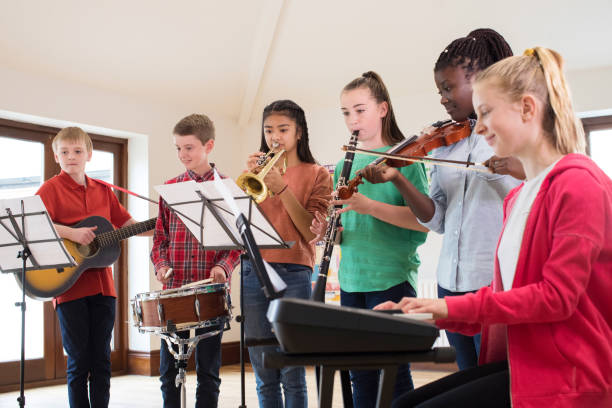
8. Music and Movement
Singing, dancing, or learning basic rhythms improves coordination, memory, and emotional expression.
9. Role Play and Pretend Play
Pretending to be teachers, doctors, shopkeepers, or storytellers helps children develop social skills, empathy, and communication abilities.
10. Educational Videos and Interactive Learning
Age-appropriate educational videos and interactive learning apps can reinforce classroom concepts when used in moderation and under supervision.
11. Sorting and Matching Games
Sorting objects by colour, shape, or size helps young children develop early math and classification skills.
12. Indoor Physical Exercises
Simple stretches, yoga poses, or obstacle courses help children stay physically active even indoors.
13. Writing and Drawing Journals
Encouraging children to maintain a drawing or writing journal supports creativity, handwriting skills, and emotional expression.
14. Memory Games
Matching cards or remembering sequences improves concentration, recall, and cognitive flexibility.
15. DIY Learning Corners
Creating a small learning corner with books, puzzles, and activity kits motivates children to explore and learn independently.
Schools such as top schools in Whitefield often design similar activity-based learning spaces to encourage curiosity and independent thinking.
How Indoor Activities Support Holistic Development
Cognitive Development
Indoor learning activities strengthen memory, attention span, and reasoning skills.
Emotional Growth
Creative and cooperative activities help children express emotions and build confidence.
Social Skills
Group activities promote teamwork, communication, and empathy.
Physical Well-being
Movement-based indoor games maintain fitness and coordination.
Institutions like top schools in Kadugodi recognise that learning beyond textbooks is essential for nurturing well-rounded individuals.
Tips for Making Indoor Activities More Effective
- Choose age-appropriate activities
- Balance screen time with hands-on play
- Encourage curiosity rather than perfection
- Rotate activities to maintain interest
- Participate with children to strengthen bonding
Consistency and encouragement make indoor learning both enjoyable and impactful.
Conclusion
Well-planned indoor activities for kids transform indoor time into valuable learning opportunities. By combining fun with education, these activities support cognitive growth, creativity, physical development, and emotional well-being.
Whether at home or in school, meaningful indoor engagement helps children develop essential life skills while enjoying the process of learning.
FAQs
- Why are indoor activities important for kids?
They promote learning, creativity, and development when outdoor play is limited. - How much indoor activity time is ideal for children?
A balanced mix of structured and free play for 1–2 hours daily is recommended. - Are indoor activities suitable for all age groups?
Yes, activities can be adapted based on a child’s age and interests. - Can indoor activities replace outdoor play?
Indoor activities complement but should not completely replace outdoor physical play. - How do schools use indoor activities for learning?
Schools integrate them into activity-based learning to support holistic development.