10 Things Children Can Learn From Playing Board Games

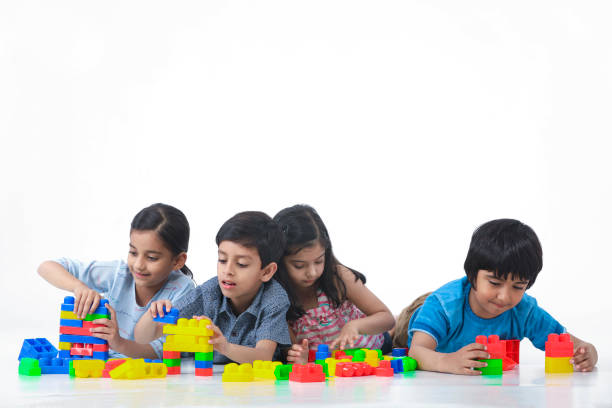
10 Things Children Can Learn From Playing Board Games Board games have been a fixture of childhood for centuries — and for good reason. Long before anyone thought to measure their educational value, families gathered around game boards and, in the process, transmitted skills, values, and ways of thinking that classrooms rarely reach. The good […]

What to Do When Your Child Says “I’m Bored”: A Parent’s Guide

It’s a phrase every parent knows intimately: ‘I’m bored.’ It often arrives on weekends, during school holidays, or approximately seven minutes into a stretch of unstructured time. The instinct for most parents is to fix it — to suggest an activity, switch on a screen, or hand over a device. But what if boredom isn’t […]

How to Help Your Child Find a Hobby They Enjoy

Every parent wants their child to have something they love — an activity they return to by choice, not obligation, that builds confidence and gives them a place to belong outside of school. But helping a child find that thing is more delicate than it sounds. Too much parental direction and the hobby becomes another […]

Why Celebrating Small Wins Builds Confident Learners

It is easy to save celebration for the big milestones, a top exam score, a school award, a lead role in the play. But children build genuine, lasting confidence not from occasional big wins, but from having their everyday effort noticed and acknowledged. Educators at some of the best schools in Bangalore have long recognised […]

Why Family Routines Matter for Child Development

Ask any experienced educator what sets confident, well-adjusted children apart, and routine almost always comes up. Predictable mealtimes, bedtimes, and daily rhythms give children a sense of security that quietly supports everything from behaviour to academic performance. Families researching top schools in Bangalore often focus on curriculum and facilities, but what happens at home, particularly […]

How Children’s Friendships Shape Their Learning and Confidence

When we think about what helps a child do well in school, we often focus on textbooks, teachers, and test scores. But one of the most powerful influences on a child’s learning journey is something far simpler: friendship. The bonds children form with their peers shape how they think, communicate, and see themselves. A child […]

The Psychology of Rewards: Do Reward Systems Work for Children?

Star charts on the fridge. House points at school. Sticker books for good behaviour. Reward systems are everywhere in children’s education — and they have been for decades. Most parents and teachers use them instinctively, confident that rewards motivate children to try harder, behave better, and achieve more. But what does the psychology actually say? […]

Why Unstructured Play Time Is Essential for Growing Minds

In a world of coding classes, music lessons, sports academies, and after-school tutoring, playtime as children once knew it has become increasingly rare. Sandcastles, made-up games, imaginary worlds, and the freedom to simply wander — these experiences are quietly disappearing from modern childhood. But developmental research is unambiguous: unstructured play is not a luxury. It […]

How Classroom Seating Arrangements Affect Student Learning

Walk into any school and you will notice something telling before a single lesson begins: how the desks are arranged. Rows facing the front. Clusters of four. A horseshoe shape. Pairs facing each other. Each layout sends a silent message about what kind of learning is expected — and research shows that this message has […]

The Hidden Benefits of Boredom in Child Development

‘I’m bored.’ Two words that most parents instinctively rush to fix. We reach for screens, activities, playdates, and structured programmes. But what if boredom — real, unresolved boredom — is actually one of the most valuable experiences a child can have? Research in developmental psychology increasingly suggests that boredom plays a critical role in children’s […]