
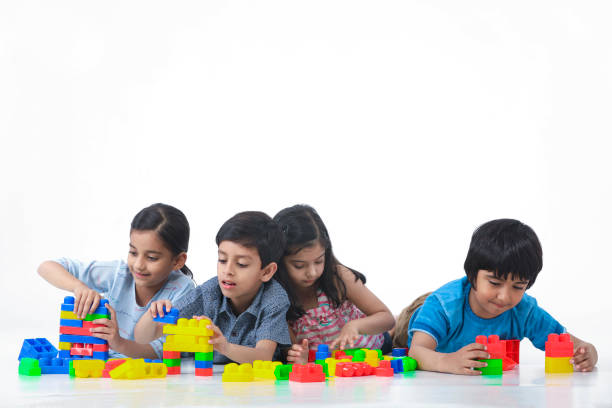
Early childhood is a critical phase in a child’s growth, where foundational skills are developed that influence future learning and behavior. During these formative years, structured and purposeful preschool activities play a vital role in shaping cognitive, social, emotional, and physical development.
Preschool is not just about introducing children to academics; it is about creating an engaging environment where learning happens through play, exploration, and interaction. Carefully designed activities help children build essential skills while nurturing curiosity and creativity.
This article explores the importance of preschool activities, their impact on early childhood development, and how they prepare children for future academic success.
Understanding Preschool Activities
Preschool activities refer to structured and unstructured tasks designed to support a child’s development through play-based and experiential learning. These activities are tailored to suit the developmental needs of children aged between 2 and 6 years.
They typically include:
- Creative activities such as drawing and painting
- Physical activities like running and jumping
- Language-based activities such as storytelling
- Social interaction through group play
- Problem-solving games and puzzles
Institutions that emphasize early childhood education, including best international schools in Bangalore, often incorporate a wide range of such activities to ensure holistic development.
Importance of Preschool Activities in Early Childhood Development
1. Cognitive Development
One of the primary benefits of preschool activities is the enhancement of cognitive abilities. Activities such as puzzles, matching games, and sorting tasks help children:
- Develop memory and concentration
- Improve problem-solving skills
- Understand patterns and relationships
- Build early mathematical concepts
These early cognitive skills form the foundation for future academic learning.
2. Language and Communication Skills
Language development is a key focus during early childhood. Activities such as storytelling, rhymes, and interactive conversations help children:
- Expand vocabulary
- Improve listening skills
- Develop sentence formation
- Gain confidence in expressing ideas
Regular exposure to language-rich activities supports effective communication, which is essential for school readiness.
3. Social and Emotional Development
Preschool provides children with their first structured social environment outside the home. Through group-based preschool activities, children learn to:
- Share and cooperate with peers
- Understand emotions and empathy
- Develop self-confidence
- Build relationships
These skills are crucial for adapting to classroom environments and forming positive social interactions.
Parents often consider environments such as top schools in Bangalore that emphasize social learning alongside academics.
4. Physical Development and Motor Skills
Physical activity is an essential component of preschool education. Activities such as running, jumping, and playing with objects help develop:
- Gross motor skills (large movements)
- Fine motor skills (hand-eye coordination)
- Balance and coordination
Simple tasks like drawing, cutting, and building blocks strengthen hand muscles and prepare children for writing.
5. Creativity and Imagination
Creative expression is encouraged through activities like art, music, and role-playing. These experiences allow children to:
- Explore their imagination
- Express emotions creatively
- Develop innovative thinking
Creativity plays a significant role in problem-solving and independent thinking later in life.
Types of Preschool Activities That Support Development
Play-Based Learning
Play is one of the most effective ways children learn. Through play, children explore their environment and understand how things work.
Examples include:
- Pretend play and role-playing
- Building with blocks
- Interactive games
Structured Learning Activities
These activities are guided by teachers and focus on specific learning outcomes.
Examples include:
- Alphabet and number recognition
- Sorting and matching exercises
- Guided storytelling sessions
Outdoor Activities
Outdoor play supports physical health and social interaction.
Examples include:
- Running games
- Group sports
- Nature exploration
Sensory Activities
Sensory play involves engaging a child’s senses such as touch, sight, and sound.
Examples include:
- Sand play
- Water play
- Texture-based activities
These activities enhance sensory development and cognitive processing.
Role of Teachers in Facilitating Preschool Activities
Teachers play a crucial role in designing and guiding preschool activities. Their responsibilities include:
- Creating a safe and engaging learning environment
- Observing individual learning styles
- Encouraging participation and interaction
- Providing constructive guidance
Well-trained educators ensure that activities are both enjoyable and developmentally appropriate.
Parents often look for institutions such as best schools in Whitefield that provide structured early childhood programs supported by experienced educators.
Role of Parents in Supporting Preschool Learning
Learning does not stop at school. Parents play an important role in reinforcing preschool activities at home.
Ways Parents Can Support
- Encourage play-based learning at home
- Read stories and engage in conversations
- Provide creative materials such as crayons and puzzles
- Maintain a routine for activities and rest
Consistency between school and home environments enhances overall development.
Preparing Children for Formal Education
Preschool activities act as a bridge between home and formal schooling. They help children:
- Adapt to structured routines
- Develop listening and attention skills
- Build confidence in group settings
- Understand basic academic concepts
Such preparation ensures a smoother transition to primary education.
Institutions like best IB schools in Bangalore often build on these foundational skills through inquiry-based learning approaches.
Long-Term Benefits of Preschool Activities
The impact of early childhood activities extends well beyond preschool years. Children who actively participate in structured learning experiences are more likely to:
- Perform better academically
- Develop strong social skills
- Exhibit confidence and independence
- Adapt to new learning environments
These long-term benefits highlight the importance of investing in quality early childhood education.
Conclusion
The role of preschool activities in early childhood development cannot be overstated. These activities provide the foundation for cognitive growth, communication skills, social interaction, and physical development.
By combining play-based learning with structured guidance, preschool education creates a balanced environment where children can explore, learn, and grow. With the support of both educators and parents, these early experiences prepare children for lifelong learning and success.
FAQs
1. What are preschool activities?
Preschool activities are play-based and structured tasks designed to support the development of young children across cognitive, social, and physical areas.
2. Why are preschool activities important?
They help build foundational skills such as communication, problem-solving, and social interaction, which are essential for future learning.
3. How do preschool activities support language development?
Activities like storytelling and rhymes improve vocabulary, listening skills, and communication abilities.
4. Can parents support preschool learning at home?
Yes, parents can encourage play-based learning, reading, and creative activities to reinforce development.
5. Do preschool activities help in school readiness?
Yes, they prepare children for structured learning environments by developing attention, confidence, and basic academic skills.